Table of Contents
- What is tizanidine?
- How tizanidine works
- Alcohol and the central nervous system
- Why mixing tizanidine and alcohol is risky
- Short-term effects of combining tizanidine and alcohol
- Long-term risks and complications
- Safe alternatives and harm-reduction strategies
- Interactions, dosage considerations, and timing
- What to do in case of overdose or severe reaction
- FAQs and common myths about tizanidine and alcohol
What is tizanidine?
If you are looking for muscle relaxant options online, you can explore opportunities to buy zanaflex without prescription through trusted pharmacy services with convenient ordering and delivery.
Tizanidine is a prescription centrally acting muscle relaxant commonly used to treat spasticity from conditions such as multiple sclerosis, spinal cord injury, or certain musculoskeletal disorders. It works by reducing nerve signals that cause muscle tightness, helping patients gain mobility and reduce painful spasms. Tizanidine is available in oral tablet form and typically prescribed at low doses that are adjusted upward based on response and tolerance. Because it acts on the central nervous system, patients are advised to be cautious about activities like driving or operating heavy machinery until they understand how the drug affects them.
How tizanidine works
Tizanidine is an alpha-2 adrenergic agonist. It binds to alpha-2 receptors in the spinal cord and brainstem, inhibiting excitatory neurotransmitter release and decreasing the transmission of pain and motor signals that contribute to muscle spasm. Unlike some other muscle relaxants, tizanidine has a relatively short half-life, which means its effects come on and wear off more quickly. This pharmacology gives clinicians flexibility in titrating dose but also means that missed doses or inconsistent use can lead to fluctuations in symptom control. Common side effects include drowsiness, dry mouth, hypotension, and dizziness.
Alcohol and the central nervous system
Alcohol is a central nervous system depressant. Even moderate amounts can impair coordination, judgment, reaction time, and cognitive processing. At a biochemical level, alcohol enhances inhibitory GABAergic activity and inhibits excitatory NMDA receptors, producing sedative and anxiolytic effects. Chronic alcohol use also causes adaptive changes in the brain that can affect medication interactions, liver metabolism, and overall drug clearance. Because many prescription meds are metabolized in the liver, alcohol consumption can alter drug levels, sometimes unpredictably.
Why mixing tizanidine and alcohol is risky
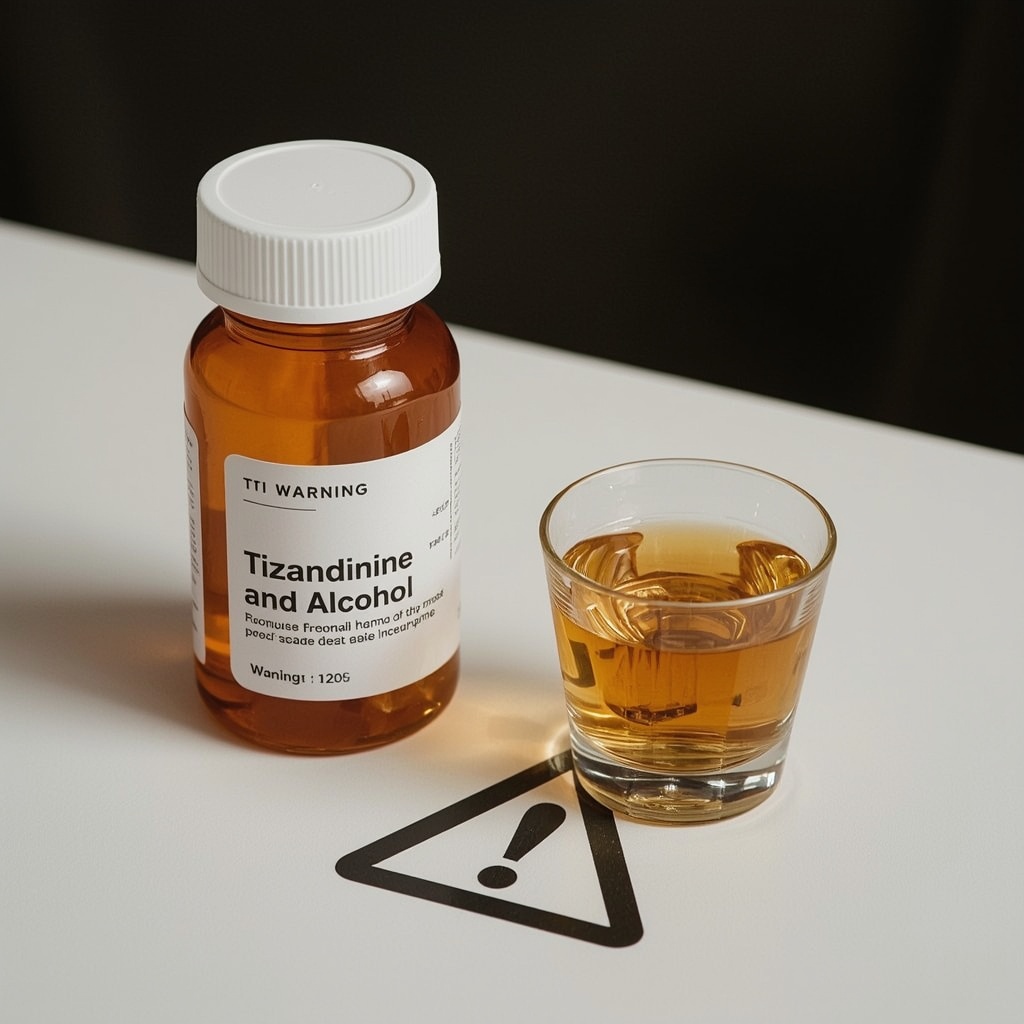
The interaction between tizanidine and alcohol is clinically significant and potentially dangerous. Both substances depress the central nervous system, so when taken together they can produce additive or even synergistic sedative effects. That means drowsiness, slowed breathing, and impaired cognitive and motor function can be much more pronounced than with either substance alone. Alcohol can also affect the metabolic pathways (notably CYP1A2 and liver function) that clear tizanidine, potentially increasing its blood levels and prolonging effects. For these reasons many clinicians advise avoiding alcohol while on tizanidine.
Short-term effects of combining tizanidine and alcohol
Combining tizanidine and alcohol increases the likelihood and intensity of acute side effects. These can include:
- Profound drowsiness and sedation
- Impaired coordination and slowed reaction time
- Excessive dizziness or lightheadedness
- Low blood pressure (orthostatic hypotension) with fainting risk
- Respiratory depression in sensitive individuals or high doses
These effects can jeopardize safety — for example, increasing the risk of falls, motor vehicle accidents, and choking. People who combine tizanidine and alcohol may also experience unexpected intensification of side effects even with small amounts of alcohol, especially if they are older, have liver disease, or take other CNS depressants like opioids or benzodiazepines.
Long-term risks and complications
Repeatedly combining tizanidine and alcohol can have cumulative consequences. Chronic co-use may lead to persistent cognitive impairment, worsened balance and mobility issues, and greater risk of chronic falls and injuries. From a pharmacokinetic standpoint, heavy alcohol use alters liver enzyme activity and can change tizanidine metabolism, making consistent dosing difficult and increasing the risk of both toxicity and treatment failure. Additionally, combining CNS depressants over time may contribute to dependence or mask symptoms of depression and other psychiatric conditions, complicating overall treatment.
| Scenario | Likely outcome |
|---|---|
| Tizanidine alone at prescribed dose | Mild sedation, controlled spasticity, monitor blood pressure |
| Alcohol alone (moderate) | Mild impairment, slowed reactions, variable coordination |
| Tizanidine and alcohol combined | Marked sedation, dizziness, hypotension, possible respiratory depression |
Safe alternatives and harm-reduction strategies
If you rely on tizanidine for spasticity but also drink alcohol socially, consider these practical approaches to reduce risk:
- Discuss alternatives with your prescriber — other muscle relaxants or non-pharmacologic therapies (PT, stretching, heat, botulinum toxin) may fit better if alcohol use is frequent.
- Avoid alcohol entirely while initiating or titrating tizanidine; reassess once a stable dose is reached and you understand side effects.
- If you decide to drink, choose very low amounts and allow several half-lives of tizanidine to pass before drinking — but note this is not a guaranteed safe approach.
- Avoid other CNS depressants (opioids, benzodiazepines, sedating antihistamines) when taking tizanidine and minimize polypharmacy.
Open communication with your clinician about drinking habits helps them choose safer options. For many patients, switching to a non-sedating strategy for spasm control or scheduling alcohol-free days around dosing offers better safety margins.
Interactions, dosage considerations, and timing
Because tizanidine has a relatively short half-life (about 2.5 hours), timing matters. Typical titration starts at 2 mg and may be increased slowly. Alcohol can increase the effective exposure to tizanidine by inhibiting metabolism or by additive CNS depression. Important considerations include:
- Never drink alcohol when your tizanidine dose is being increased.
- Older adults and those with liver impairment should use lower doses and avoid alcohol entirely.
- Combining tizanidine with strong CYP1A2 inhibitors (like ciprofloxacin) can dramatically raise blood levels — alcohol can complicate these interactions.
| Patient factor | Recommendation |
|---|---|
| Young healthy adult, occasional drinker | Avoid alcohol during titration; limit or avoid afterward |
| Older adult or fall risk | Avoid alcohol; consider alternative therapies |
| Liver disease or chronic heavy drinker | Do not use tizanidine or consult specialist; high risk of toxicity |
What to do in case of overdose or severe reaction
Respiratory depression, profound hypotension, severe drowsiness, or loss of consciousness after combining tizanidine and alcohol requires urgent care. If you suspect overdose or see these signs in someone else, follow these steps immediately:
- Call emergency services (911 in the U.S.) — respiratory depression is life-threatening.
- If the person is unconscious but breathing, place them in the recovery position to maintain an open airway.
- Provide rescue breathing or CPR if trained and the person is not breathing.
- Bring medication bottles and any alcohol containers to the emergency department to inform clinicians of possible exposures.
Emergency care may include airway support, intravenous fluids, monitoring of blood pressure and heart rate, and supportive measures. There is no specific antidote for tizanidine; treatment focuses on supportive care and monitoring until effects wear off.
FAQs and common myths about tizanidine and alcohol
Q: "Small amounts of alcohol are OK with tizanidine, right?" A: Not necessarily. Even small amounts can significantly increase sedation or dizziness in some people. Individual response varies, so the safest advice is to avoid alcohol while taking tizanidine, especially during dose changes.
Q: "Can I drink if I wait several hours after taking tizanidine?" A: Waiting reduces risk because tizanidine has a short half-life, but interactions and residual effects can persist, and alcohol’s effects can still compound sedation. This is not a reliable safety strategy for everyone.
Q: "Are there safe muscle relaxants to use with alcohol?" A: Most muscle relaxants have sedating properties and can interact with alcohol. Non-drug options (physical therapy, stretching, heat, targeted injections) are safer if alcohol use is frequent. Always consult your prescriber before mixing substances.
Myth-busting: It’s a myth that tolerance to sedation eliminates interaction risk. Tolerance to either alcohol or medication does not remove the additive effects on breathing, blood pressure, or coordination — the combination remains risky.